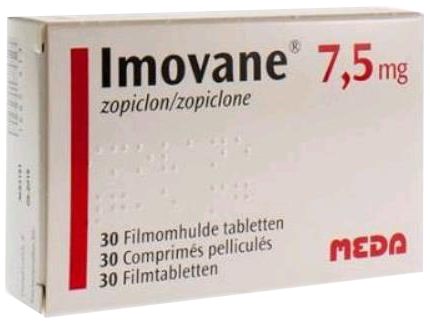
Zopiclone
£5.27 £0.83
Sleep problems have become an increasing public health concern over the years. Insomnia is one of the most common sleep problems, with studies suggesting that symptoms affect a substantial proportion of adults. This means approximately one in three people may experience difficulty falling asleep or staying asleep.
Zopiclone is a prescription sleeping medicine used for the short-term treatment of severe insomnia. Zopiclone is commonly prescribed to help people with short-term insomnia improve sleep onset and sleep duration, although some people may experience drowsiness or reduced alertness the following day. In the UK, treatment commonly involves 7.5 mg for adults, while a lower 3.75 mg dose may be recommended for some patients. This dosing flexibility allows healthcare providers to tailor treatment to individual patient needs.
The following guide explains how zopiclone works, its uses, and the precautions patients should consider before starting treatment.
What is Zopiclone?
This medication's roots go all the way back to the 1980s. At the time, benzodiazepines were widely used for insomnia and other conditions, but their sedative effects could persist into the following day. Research during this period also explored non-benzodiazepine hypnotics with different pharmacological characteristics.
This is when Zopiclone was first created, and it was introduced to the market under the brand name Imovane. Zopiclone was subsequently introduced in a number of countries as a prescription treatment for insomnia.
Even with today's wide selection of treatment options, zopiclone remains an established prescription option for the short-term management of severe insomnia. It is sold under additional brand names like Zimovane, as well as generic alternatives that share the same active ingredient.
Zopiclone Mechanism of Action
Zopiclone is a sedative-hypnotic medicine used for the short-term treatment of severe insomnia. After this medication is absorbed into the bloodstream, it acts on the central nervous system (CNS). But how does it work?
In the brain, neurons communicate with each other through chemicals called neurotransmitters. One of the most important inhibitory neurotransmitters is gamma-aminobutyric acid (GABA), and its job is to slow down brain activity.
This chemical attaches to specific GABA-A receptors, and when this happens, chloride ions flow into the next neuron, which leads to the calming effect. Zopiclone does not replace this chemical, but rather it binds to GABA-A receptor sites and enhances the inhibitory effects of GABA. This means that the body's natural sedation is enhanced, which helps people wind down, and eventually fall asleep.
What Are Z Drugs?
Z-drugs are a group of non-benzodiazepine hypnotic medicines used primarily for the short-term management of insomnia. These medications act on the GABA-A receptors, which benzodiazepines do as well, but they focus more on the subtypes that are linked to sleep.
Zopiclone and zolpidem are both non-benzodiazepine hypnotics used in the management of insomnia. Although they have similarities, their pharmacological properties, onset and duration differ.
How do Z-drugs differ from benzodiazepines? Regular benzodiazepines do offer sedative effects, but there are other subunits that they target as well, which can cause lingering effects the next day and carry a greater risk of side effects. Although Z-drugs differ structurally from benzodiazepines, both influence GABA-related signalling and can cause sedation, impaired alertness, tolerance and dependence.
Clinical Uses of Zopiclone
In the UK, zopiclone is licensed for the short-term treatment of severe insomnia. This treatment makes it easier for people to fall asleep, while also reducing night-time awakenings.
Zopiclone may sometimes be prescribed for insomnia associated with anxiety or stress, but it does not treat the underlying mental health condition. Zopiclone may sometimes be prescribed for insomnia associated with anxiety or stress, but it does not treat the underlying mental health condition.
Comparing Sleeping Pills
How does Zopiclone 7.5mg compare to other sleep aids? Zopiclone has pharmacological characteristics that may help with both falling asleep and reducing night-time awakenings.
Zolpidem has a shorter half-life than zopiclone, meaning its effects may be shorter-lasting. Valerian is another option sometimes used for sleep problems, although evidence supporting its effectiveness for insomnia is mixed.
Below is a concise table for people to understand the benefits and duration of each of these sleeping pills:
| Drug | Onset of Action | Duration | Common Uses | Notes |
|---|---|---|---|---|
| Zopiclone | 30-60 minutes | 7-8 hours | Insomnia | Prescription medicine for short-term insomnia |
| Zolpidem | 30 minutes | 6 - 8 hours | Insomnia (mainly sleep onset) | Prescription medicine; duration differs from zopiclone |
| Valerian | 1-3 hours | Variable results | Occasional sleeping problems | Herbal product; evidence for insomnia is mixed |
Dosage and Usage
Zopiclone should be taken exactly as prescribed, usually shortly before bedtime. The tablet should be swallowed whole with water.
The usual adult dose is 7.5 mg taken shortly before bedtime. A lower dose may be recommended for older adults and for some people with liver, kidney or respiratory problems.
If a dose is missed at bedtime, it should generally be skipped rather than taken later during the night. A double dose should not be taken to compensate.
Possible Zopiclone Side Effects
This medication, like many others, carries the risk of side effects. The most common reactions include a bitter or metallic taste in the mouth, headaches, dizziness, and nausea. The severity and duration of side effects vary between individuals.
Rarer, but more concerning side effects include allergic reactions, sleepwalking, and nightmares. Some reactions require prompt medical attention. Symptoms of a serious allergic reaction require urgent medical help, while unusual sleep behaviours or other concerning effects should be discussed with a healthcare professional. Other medicines that cause drowsiness may increase sedative effects, so patients should tell their prescriber about any other medicines they are taking.
Precautions and Risk of Dependence
Zopiclone may not be suitable for everyone, including people with certain conditions such as severe sleep apnoea, myasthenia gravis or severe respiratory problems.
Alcohol should be avoided while taking zopiclone because it can increase sedation and other adverse effects. Opioids and other medicines that cause drowsiness can also increase the risk of serious reactions, so patients should tell their prescriber about all medicines they use.
Zopiclone is intended for short-term use only (usually 2–4 weeks) due to the risk of dependence. Taking this medication past this period increases the risk of dependence, tolerance, and worsening insomnia.
Getting Zopiclone in the UK
Zopiclone is a prescription-only medicine in the UK. It should only be supplied following an appropriate assessment and prescription from a qualified healthcare professional. Patients using an online service should check that the healthcare provider and pharmacy operate in accordance with applicable UK regulatory requirements.
This table highlights what people can expect to pay for their zopiclone treatment:
| Pack Size (Tablets) | Strength | Price Range (GBP) |
|---|---|---|
| 30 | 7.5 mg | £38 - £40 |
| 60 | 7.5 mg | £58 - £60 |
| 90 | 7.5 mg | £83 - £85 |
| 28 | 10 mg | £42 - £44 |
| 56 | 10 mg | £64- £66 |
| 84 | 10 mg | £89 - £92 |
Frequently Asked Questions
Does zopiclone take long to work?
Zopiclone generally begins to work within around an hour, although the exact onset can vary between individuals. It should be taken shortly before bedtime and only when there is enough time for a full night's sleep. Some people may still experience drowsiness or reduced alertness the following morning.
Is it dangerous to take zopiclone and not sleep?
Taking zopiclone and remaining awake can cause marked drowsiness, slower reaction times, impaired concentration and memory problems. Patients should not drive or operate machinery if they feel sleepy, dizzy or otherwise impaired after taking zopiclone.
Can I use zopiclone during the daytime to treat anxiety?
Zopiclone is not intended to treat anxiety during the daytime. Taking it while awake can cause drowsiness, impaired coordination and reduced alertness. Anyone experiencing persistent or troublesome anxiety should speak with a GP or another qualified healthcare professional about appropriate treatment options.
How long until zopiclone is out of my system?
Zopiclone has an elimination half-life of approximately five hours in healthy adults, although this can be longer in older people and those with certain health conditions. The time needed to eliminate the medicine varies according to factors such as age, metabolism, dose and liver or kidney function.
Is addiction possible?
Yes. Zopiclone can cause tolerance and physical or psychological dependence, particularly when it is taken for longer than recommended or at higher-than-prescribed doses. This is one reason treatment is generally limited to a short period and should be taken exactly as prescribed.
Can zopiclone cause withdrawal symptoms?
Withdrawal symptoms can occur, particularly after prolonged use or higher doses. Symptoms may include rebound insomnia, anxiety, restlessness or irritability. People who have been taking zopiclone regularly should not change or stop treatment without following advice from their prescriber, who can determine whether gradual dose reduction is appropriate.
Medical Disclaimer
This information is provided for educational purposes only and does not replace professional medical advice. Always consult a qualified healthcare professional before using prescription medicines such as Zopiclone.