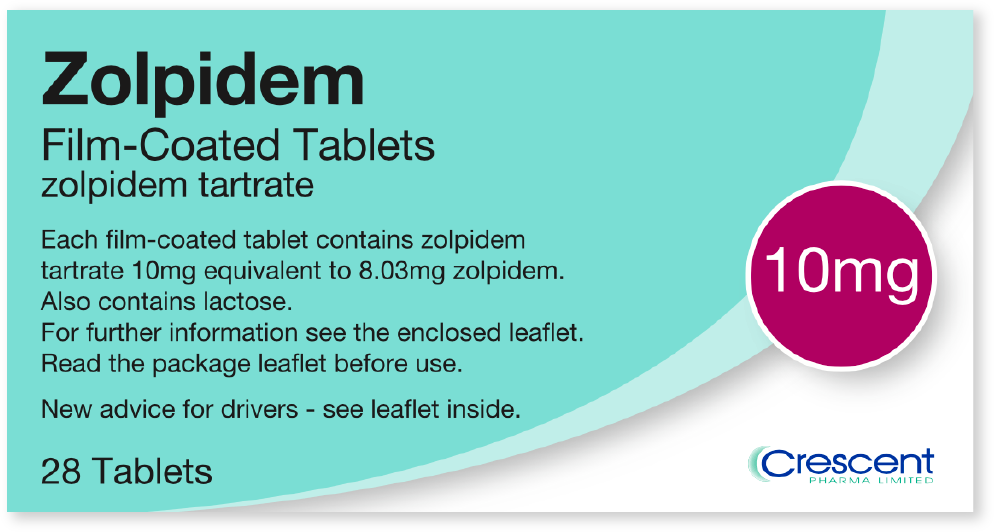
Zolpidem
£5.27 £0.83
This medicine is used for the short-term treatment of insomnia and certain other sleeplessness disorders. It has strong sedative and anxiolytic effects, which allow a person's mind to relax at night and fall asleep easily. Zolpidem should only be used for a short period of time as a tool for a person to regain control of their sleeping patterns, at which point they can gradually stop using it.
This medication is considered a non-benzodiazepine, which is also referred to as 'z-drugs'. It has been studied in considerable detail, and has been compared directly with a number of other drugs of this kind. In these trials, zolpidem consistently showed that it can help people to sleep much more quickly, and prevent them from waking unexpectedly throughout the night. It has also been established that it has less of a risk of drowsiness the next day, when compared with alternative treatment options.
Understanding Zolpidem
This medicine was first created in the 1980s by Synthelabo Recherché in France. The original goal was to create a sleep aid alternative that had far fewer side effects than benzodiazepines, which were the industry standard at the time.
This led to zolpidem being introduced into the market in 1988, and it was given the name Stilnox. During the period, this medication gained a huge amount of traction for the short-term treatment of insomnia in people. In 1992, the FDA approved this medication under the brand name Ambien, and it still remains one of the most popular solutions sold worldwide.
Today, this medication is sold under a variety of brand names, including Edluar, Intermezzo, and Zolpimist. Since the patent protection expired on zolpidem 10 mg in 2007, it is now available as a generic medicine. These alternatives offer people the exact same benefits, but in a much more affordable package.
Zolpidem Mechanism of Action
This medication has powerful anxiolytic and sedative properties. As with all drugs of this type, its main focus is on the central nervous system (CNS). Zolpidem works by targeting and increasing the effect of an important chemical in the brain called gamma-aminobutyric acid (GABA).
This chemical is responsible for slowing and intercepting certain neurotransmitters in the brain. This medication causes more chloride ions to flow into neurons, which causes them to become hyperpolarized (less likely to fire). It is worth noting that zolpidem does not replace GABA, but instead, it enhances the effectiveness of this chemical.
This has an overall calming effect on a person's mind, and it allows them to fall and stay asleep much more easily than before. The impact of zolpidem does not carry over into the next morning, which means that people can get the sleep that they need, and still wake up feeling well-rested.
What Are Z Drugs?
Z drugs are a group of medicines that are used to assist people in getting the required 7 to 9 hours of uninterrupted rest each night. They are officially known as non-benzodiazepine hypnotics. They should be used for the short term to assist in establishing a consistent and reliable night time routine.
Medications like zolpidem first started becoming available to patients in the late 1980s and early 1990s. They almost immediately became the most popular classification of drugs for those with sleeping disorders and insomnia.
Why do most people choose zolpidem and other z-drugs over benzodiazepines? Benzodiazepines carry a much higher risk of dependence, and often leave people feeling groggy the next day. On the other hand, z-drugs are designed to have a shorter half-life, have no hangover effect, and target specific sleep channels.
Clinical Uses of Zolpidem
As highlighted above, zolpidem 10 mg is primarily used by people who suffer from insomnia. This medication directly helps people fall asleep by reducing brain activity, especially in the regions that govern rest. But, zolpidem has also been recommended for other conditions that can interrupt sleep patterns.
Parkinson's disease, dystonia (muscle contractions), and restless leg syndrome (RLS) are all conditions that cause involuntary muscle stiffness or spasms, which can cause poor sleep quality. Zolpidem can help calm these overactive signals because of its effect on GABA.
This medication can also be used off-label for depression and PTSD-related sleeping problems. The sedation that zolpidem offers can reduce sleep onset, and the slowed-down brain activity can help calm down racing thoughts or emotions right before bedtime.
Comparing Sleeping Pills
How does zolpidem compare with its counterparts? Out of all of the z-drugs, this medication has the fastest onset time. This makes it a great choice for patients who need these rapid effects to fall asleep at night.
There are also herbal alternatives that some people could consider. Valerian is a well-known sleep aid that comes from the root of the valerian plant. While this alternative has been used for hundreds of years, and it also affects GABA, it is generally much weaker than modern solutions like zolpidem.
For a better understanding of these treatments, refer to the table down below:
| Drug | Onset of Action | Duration | Common Uses | Notes |
|---|---|---|---|---|
| Zolpidem | 30 minutes | 6-8 hours | Short-term insomnia | Z-drug focusing on sleep onset |
| Zopiclone | 30-60 minutes | 7-8 hours | Short-term insomnia | Z-drug for sleep maintenance |
| Valerian | 1-2 hours | Mixed results | Mild sleep aid | Largely inconsistent results |
Dosage and Usage
The zolpidem dosage guidelines have to be followed carefully if patients want to make the most out of this medication. Firstly, this medication should only be used for 2-4 weeks, as taking this treatment for longer can lead to potential dependence and more side effects occurring.
Zolpidem should only ever be taken right before bedtime, and people should swallow their tablet whole, without crushing it or breaking it apart. Doing so can result in fluctuating results, and the drug can wear off faster, which can lead to possible night time awakenings.
It is important for patients to never take more than one dose in a single night, as well as never take this medication during the day. Both of these choices can intensify the side effects and can cause serious coordination problems.
Possible Zolpidem Side Effects
Zolpidem 10 mg does carry the risk of side effects. Though, this is the same with all medications. Not everyone will experience these reactions, but fortunately, most of the side effects are manageable. The most common ones reported are headaches, dizziness, nausea, and mild drowsiness. These symptoms are generally mild, and become less impactful as the treatment wears off.
Less common zolpidem side effects include mood changes, and blurred vision. Serious symptoms, which are very rare, may consist of sleepwalking, breathing difficulties, and general confusion. These more concerning side effects are mostly associated with people who use this medication without getting a proper diagnosis first, as well as patients who take more than necessary.
To reduce the risk of developing these side effects, people should always use zolpidem responsibly, never take more than one dose at a time, and never give these tablets to anyone else, regardless of whether they have similar symptoms.
Precautions and Avoiding Dependency
Unfortunately, zolpidem is not suitable for everybody. Elderly patients, as well as those with a history of liver impairment, respiratory problems, and complex sleep behaviours, should be very cautious with this medication.
People who should avoid zolpidem altogether include those who are allergic to the active ingredient, and patients who have a severe hepatic impairment. This also extends to pregnant or breastfeeding women, as this treatment may affect infants. This is why it is so important for people to visit a doctor beforehand to prevent any further health complications.
Avoiding dependency is equally important. While zolpidem is a Schedule IV medication (low potential for misuse), people still need to follow their dosage instructions to steer clear of this possibility. If people limit their treatment to 4 weeks, never double-dose, and include a tapering off period, the chance of dependence is greatly reduced.
Cost of Zolpidem
This medication is considered more affordable than other sleep aids and over-the-counter treatments. On top of this, zolpidem is widely accessible through regular healthcare services after consultation with a healthcare professional. Regulated digital pharmacies are able to offer medication at reduced rates thanks to their reduced costs
This is based on the fact that this medication is not sold at retail price, and people can get their treatment in bulk. However, people need to visit reliable and trustworthy websites to ensure that they receive quality medication. Below is a table outlining the average price of zolpidem that people can expect to pay if they choose to shop online;
| Pack Size (Tablets) | Strength | Price Range (GBP) |
|---|---|---|
| 30 | 10 mg | £38 - £42 |
| 60 | 10 mg | £58 - £62 |
| 90 | 10 mg | £83 - £88 |
Frequently Asked Questions
What is zolpidem?
This medication is a non-benzodiazepine, otherwise known as a z-drug. It is typically used for the short-term treatment of insomnia, as it allows people to regain control over their sleeping patterns. Once this has been done, it is advised for people to slowly reduce their dosage to zero, as long-term use of this medicine can lead to dependency problems.
How strong is 5mg of zolpidem?
The most commonly used strength of this treatment is zolpidem 10 mg. However, depending on a person's age, weight and medical history, certain individuals may be better suited to a 5mg dosage. For anybody who is unsure of the strength that will suit them best, they are advised to speak with their doctor.
Does zolpidem take long to work?
This medicine will typically become active within 30 minutes of being taken. This will vary among different people due to a number of different factors. Its ability to act quickly is why patients are advised to take their dosage just before going to bed.
What are the side effects from zolpidem?
As long as patients follow the correct usage instructions for this medicine, then side effects are typically quite rare, and when they do occur, they are often mild in nature. Some relatively common examples of these side effects include drowsiness, nausea, and a loss of balance or coordination. If these symptoms are severe in nature, then patients should ask their doctor for advice.
Is addiction possible?
Yes, addiction is possible with zolpidem. This is why it is typically only used for short periods of time, and why getting a doctor's guidance is so important. If a patient feels that they are craving larger doses of this medicine while using it, then they should speak with their doctor about switching to an alternative medicine.
Will I get withdrawal symptoms and how to manage them?
Withdrawal symptoms are a legitimate concern with zolpidem. They are far more likely to occur if people suddenly stop using zolpidem 10 mg without first reducing the amount that they are taking, or if a patient has been using this medicine for a long period of time.
Medical Disclaimer
This information is provided for educational purposes only and does not replace professional medical advice. Always consult a qualified healthcare professional before using prescription medicines such as Zolpidem.