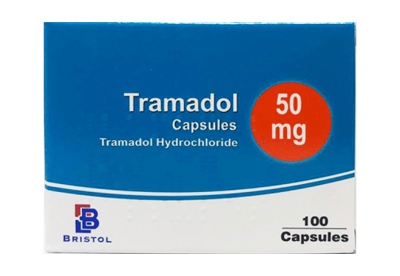
Tramadol
£5.27 £1.05
Tramadol is most often used as a pain-relieving medicine, which is classified as a centrally acting opioid analgesic. This medication works by changing how the brain and nervous system respond to pain, making it very effective in situations and conditions where non-opioid painkillers may not provide enough relief. It is available in a multitude of strengths, including 50mg and tramadol 100mg hard tablets.
Tramadol may be considered in some cases where non-opioid painkillers do not provide sufficient relief. As with other opioid medicines, its benefits and risks should be assessed by a qualified healthcare professional before treatment is started. Whether it is for acute or chronic pain, tramadol has been used in a variety of clinical settings.
This flexibility makes tramadol suitable for the management of both chronic and acute pain conditions. A healthcare professional may adjust the strength based on individual response, and the severity of the condition being treated.
What Is Tramadol?
This drug is a synthetic opioid analgesic that was originally developed and manufactured in the late 1970s, by the German pharmaceutical company Grünenthal GmbH. It was introduced under the brand name Tramal, and later made available as a generic medication for worldwide distribution. Tramadol comes in many formulations like oral tablets, capsules, drops, and injectable solutions, making it highly adaptable to the needs of the patient.
This medicine is classified by most regulatory bodies as a centrally acting analgesic, and is considered a Schedule IV controlled substance in many regions, due to the potential for misuse. Tramadol has a dual mechanism for action, which sets it apart from many other pain relievers, as it both binds to opioid receptors and inhibits reuptake of neurotransmitters, including serotonin and norepinephrine.
Regulatory approvals for this medication were granted after extensive studies demonstrated its safety and effectiveness in pain management. Today, tramadol is known under various brand names including Ultram, ConZip, and Zydol.
Tramadol Mechanism of Action
Tramadol works through a dual mechanism of action, combining non-opioid and opioid activity. It is metabolised in the liver into an active metabolite called O-desmethyltramadol, which has a high affinity for the mu-opioid receptor. Tramadol will bind these receptors in the central nervous system, which reduces the transmission of pain signals, providing significant relief.
While this is taking place, the medication will inhibit reuptake of serotonin and norepinephrine, the two key neurotransmitters involved in the modulation of pain. The secondary action that is performed, is similar to antidepressants, which is why this treatment is sometimes effective for neuropathic pain that does not respond well to other opioids.
The combined effect results in a broad spectrum of pain relief, covering both nociceptive and neuropathic pain. For short-term pain relief it is very common to use tramadol 50mg, while on the other hand, for long-term pain relief which can be from a chronic source, it is typical to go with a stronger formulation like tramadol 100mg.
What Are Opioid Analgesics?
Opioid analgesics are a class of drugs that work by binding to specific receptors in the spinal cord and brain to block pain signals. Typically, this class of drug is considered some of the most powerful, and best at effective pain-relieving. Although it has a mixed mechanism, tramadol belongs to this group, but the dual action sets it apart from traditional opioids.
These medications offer improved quality of life for individuals living with chronic pain and are most commonly used, in cases where other painkillers like NSAIDs, or acetaminophen do not function sufficiently, such as after surgery, severe musculoskeletal injuries, or during cancer treatment.
Even though with opioid analgesics, there are dependability and tolerance risks, medications in the same class of tramadol, benefit from predictable efficacy across a wide range of pain conditions. To ensure safe usage and the best results, only take this treatment as advised and discuss any dosage changes with a medical professional.
Clinical Uses of Tramadol
This drug is often used in the treatment of a variety of pain conditions, that require stronger relief than over-the-counter options. For pain that is acute in nature, such as that following surgery, accidental injuries, or dental procedures, tramadol has an excellent track record for pain relief. The action of onset typically, is generally within an hour, and this makes it ideal for managing sudden pain episodes that need quick control. Using a lower dose like tramadol 50mg, offers effective short term pain relief, making it ideal for moderate to severe discomfort.
When it comes to chronic pain, this medication is equally effective due to its dual mechanism of action that targets both opioid receptors, and neurotransmitter pathways that are involved with signalling pain. For patients with ongoing and regular pain, extended release forms of higher strengths such as tramadol 100mg can provide consistent, around the clock relief.
Tramadol vs Other Painkillers
It is important to consider the onset of action, duration, and uses, when comparing painkillers. Pregabalin is more specialized for neuropathic pain, having onset within a few days of dosing. While, tramadol has a moderate onset, typically being felt within 30 to 60 minutes, and its effects can last 4 to 6 hours for immediate-release tablets. Paracetamol has the fastest onset of those compared, of about 30 minutes, but is commonly used for mild pain and fever.
| Drug | Onset of Action | Duration | Common Uses | Notes |
|---|---|---|---|---|
| Tramadol | 30-60 min | 4-6 hours | Moderate to severe pain conditions | Immediate/extended release for acute and chronic pain conditions |
| Pregabalin | Days of steady dosing. | 12-24 hours | Nerve pain | Used for neuropathic pain like fibromyalgia, diabetic neuropathy and post-herpetic neuralgia |
| Paracetamol | Around 30 min | 4-6 hours | Mild pain, fever | Treats mild discomfort. |
While paracetamol is useful for mild pain and fever, and pregabalin is suited for long-term nerve pain, tramadol bridges the gap by providing relief from moderate to severe acute and chronic pain conditions.
Dosage and Usage
The dosage of this medication depends on the severity of pain, patient age, underlying medical conditions and overall health. The appropriate dose of tramadol depends on the severity of pain, the patient’s age, medical history, and kidney or liver function. Dosing should always be determined by a qualified healthcare professional. This medication can be taken with or without food, but consistent administration helps maintain steady blood level saturation.
For individuals that require more consistent control, tramadol 100mg may be used, particularly in the extended-release formulation, taken once daily. The maximum recommended daily dose is generally 400mg for healthy adults, although a lower limit may be set for those with liver or kidney issues, and the elderly. In tablet form, the dose is to be swallowed whole, and not crushed or chewed, especially in the case of the extended-release formulation.
Tapering the dose gradually when wanting to discontinue tramadol is highly advised, to prevent withdrawal symptoms. Individuals should follow medical advice regarding timing and dose intervals to achieve effective pain relief safely.
When Tramadol May Not Be Suitable
Tramadol may not be suitable for everyone. Extra caution may be needed in people with a history of substance misuse, seizures, liver or kidney impairment, breathing problems, or those taking medicines that affect serotonin levels. A doctor or pharmacist should assess whether tramadol is appropriate before treatment begins.
Possible Tramadol Side Effects
This medication can produce side effects; however, they are not experienced by all those who take it. The most common side effects of tramadol include dizziness, drowsiness, constipation and nausea. While common, these side effects are often mild in severity, and have a tendency to clear up on their own, as the body adjusts to the medication. Some patients may experience dry mouth, sweating or loss of appetite.
More serious but less common side effects of tramadol, include seizures or serotonin syndrome, especially when taking a high dose or when combined with other medications, that affect serotonin levels. Cases of respiratory depression can occur but are less common when compared to stronger opioids. Allergic reactions, though uncommon, can include rash, swelling, or itching.
Patients are encouraged to report any unusual, or severe reactions to their healthcare provider when using tramadol. Avoiding alcohol and sedatives, can reduce the risk of excessive drowsiness, or dangerous interactions.
Precautions and Avoiding Dependence
Even though this medication is highly effective for pain relief, precautions should be taken to minimize risks. This medication does come with the risk of dependence if used for extended periods, especially at higher doses. It is important to perform gradual dose reduction with tramadol, to avoid withdrawal symptoms such as anxiety, irritability, or flu-like feelings.
Individuals with a history of substance abuse should be cautious when using this medication, and have their usage of it monitored by a healthcare provider. Using this medication along with alcohol, certain antidepressants, or even sedatives, will enhance the risk of respiratory depression.
Those with impaired liver or kidney function, and the elderly should be monitored when taking tramadol. It is important to store this medication out of reach of children and pets to prevent accidental ingestion. It is crucial to be educated about signs of misuse.
Availability of Tramadol
The cost of this medication can vary depending on strength, formulation, pack size, and manufacturing costs, as well as local regulations and taxes. Prescription medicines such as tramadol should only be obtained from licensed pharmacies and used under the supervision of a qualified healthcare professional. Availability and dispensing requirements may vary depending on local regulations. Below is an idea of the cost of both the 50mg and 100mg tablets approximate pharmacy price range.
| Pack Size (Tablets) | Strength | Price per tablet average (GBP) |
|---|---|---|
| 30 | 50 mg | £36 - £40 |
| 60 | 50 mg | £65- £69 |
| 90 | 50 mg | £97 - £101 |
| 30 | 100 mg | £39- £44 |
| 60 | 100 mg | £69 - £74 |
| 90 | 100 mg | £104- £109 |
It should also be mentioned, regardless of price fluctuations, generic version of this medication, are always more affordable than brand names. After the original patent protecting the brand expires, other pharmaceutical companies can make their own version using the same formula.
Regulatory Status
In the United Kingdom, tramadol is classified as a Schedule 3 controlled drug under the Misuse of Drugs Regulations due to its potential for misuse and dependence. Because of this, it is normally supplied only with a valid prescription from a registered healthcare professional.
Frequently Asked Questions
What is tramadol?
This medication is a centrally acting synthetic opioid analgesic, used to relieve mild to moderately severe pain, by affecting how the brain perceives pain signals.
Is tramadol a type of opioid?
Yes, this medication is classified as a synthetic opioid analgesic, although it has a unique dual action mechanism. Making it a little different in how it works.
Does tramadol begin to work quickly?
The onset of this medication will typically be realized within 30 to 60 minutes after ingestion, when taken orally.
Is constipation a side effect of tramadol?
Yes, one of the tramadol 50mg side effects is constipation. Taking this medication in any amount can cause slow bowel movement. Adequate hydration, and making sure fibre intake are sufficient may reduce this issue and prevent it from happening.
Can I mix paracetamol with tramadol?
Yes, there is no issue when using this medication in combination with paracetamol. There even exists medication that contains both of these active ingredients.
What are withdrawal symptoms and how to manage them?
Symptoms of withdrawal with this medication may include nausea, anxiety, sweating, or in some cases insomnia. It is important to gradually taper off the dose under professional supervision, as to minimize discomfort and potential of withdrawal symptoms. Especially when taking a higher dose, like tramadol 100mg.
Medical Disclaimer
This information is provided for educational purposes only and does not replace professional medical advice. Always consult a qualified healthcare professional before using prescription medicines such as Tramadol.