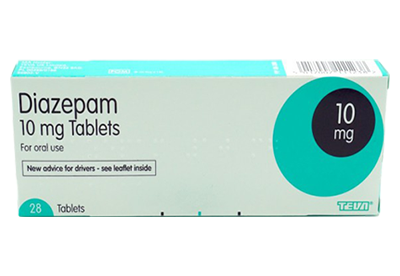
Diazepam
£5.27 £0.81
Diazepam is a prescription benzodiazepine medicine used for the short-term treatment of severe anxiety, muscle spasms, seizures and symptoms associated with alcohol withdrawal. It works by increasing the calming effects of GABA, a chemical messenger that helps reduce excessive activity in the brain.
This guide provides clear information about diazepam tablets, including how they work, typical uses, dosage guidance, possible side effects, interactions and important safety precautions. Diazepam can cause drowsiness and can lead to tolerance, dependence, addiction and withdrawal symptoms, particularly with regular or prolonged use. It should therefore be taken only as prescribed and for the duration recommended by a healthcare professional.
What Is Diazepam?
First developed by Hoffmann-La Roche in the early 1960s, this medication quickly became one of the most recognized benzodiazepines worldwide. It has been sold under many brand names, with the most recognizable being Valium. Diazepam has anticonvulsant, muscle-relaxant, sedative and anxiolytic properties, which explains its use in several clinical settings.
It is part of a broader group of benzodiazepines, which enhance the effects of gamma-aminobutyric acid (GABA), an inhibitory neurotransmitter in the central nervous system. This medication comes in a variety of strengths, including 2 mg, 5 mg and 10 mg tablets with the appropriate strength and dose determined according to the indication and individual patient.
Diazepam may be prescribed for the short-term management of severe anxiety and for several other recognised clinical indications. Because benzodiazepines can cause tolerance and dependence, their use is generally carefully assessed and monitored.
Diazepam Mechanism of Action
This medication works by increasing the natural effects of gamma-aminobutyric acid (GABA), a particular neurotransmitter that slows down nerve activity in the brain. The calming effect of diazepam relaxes tense muscles, helps prevent seizures, and reduces feelings of anxiety. When diazepam binds to the benzodiazepine site on the GABA-A receptor complex, it increases the frequency of chloride channel opening, allowing more chloride ions to enter neurons.
This mechanism reduces neuronal excitability in the central nervous system. Diazepam and its active metabolites have relatively long elimination half-lives, meaning their effects and presence in the body may persist for an extended period. The pharmacological action of this medication makes it versatile for a range of clinical settings.
The appropriate dose varies according to the indication, patient characteristics and clinical response. A 10 mg dose is not suitable for every patient and should only be used when prescribed.
What Are Benzodiazepines?
Benzodiazepines like diazepam are a class of psychoactive medications that act on the central nervous system by enhancing the calming effects of GABA. They may be used for conditions including severe anxiety, muscle spasms, seizures and certain symptoms associated with alcohol withdrawal.
Benzodiazepines largely replaced older sedative medicines such as barbiturates for many indications, although they still carry important risks including sedation, impaired coordination, tolerance and dependence. Some benzodiazepines have a relatively rapid onset of action, which can make them useful in specific acute clinical situations, depending on the medicine, route of administration and condition being treated.
Diazepam is a long-acting benzodiazepine, partly because it has active metabolites that can remain in the body for an extended period.
Clinical Uses of Diazepam
This medication has been used in several clinical settings to manage different conditions. When prescribed for severe anxiety, diazepam can help reduce symptoms such as excessive worry, restlessness and muscle tension. Treatment is generally limited to short-term use. Diazepam may also be used in certain seizure-related situations because of its anticonvulsant effects.
Diazepam may also be prescribed for certain conditions involving painful muscle spasms or muscle tightness. This medication is used regularly to assist patients undergoing alcohol withdrawal, helping to reduce tremors and agitation. Diazepam may sometimes be used as premedication before certain medical or dental procedures, with the dose determined by the treating clinician.
Diazepam may occasionally be used for severe insomnia when the condition is associated with significant distress, although benzodiazepine treatment is generally limited to short-term use.
Comparing Benzodiazepines
Many of the ways benzodiazepines differ, include how quickly there is onset of action, how long the duration of effect is, and what they are commonly used for. Diazepam is generally classified as a long-acting benzodiazepine. Its onset and duration of effect can vary depending on the dose, formulation, indication and individual patient factors.
Different benzodiazepines vary in their onset, duration, approved indications and individual suitability. Treatment should be selected by a healthcare professional according to the patient's clinical circumstances. Lorazepam on the other hand, works within 20 to 40 minutes and has a longer duration of 6 to 8 hours, which makes it very popular for short-term anxiety control and procedural sedation.
| Drug | Onset of Action | Duration | Common Uses | Notes |
|---|---|---|---|---|
| Diazepam | 30-60 min | 4 - 6 hours | Anxiety disorders, seizures, muscle spasms, alcohol withdrawal, insomnia | Long half-life, risk of dependence |
| Alprazolam | 30-60 min | 4 - 6 hours | Panic disorder, acute anxiety | Risk of dependence |
| Lorazepam | 20-40 min | 6 - 8 hours | Anxiety disorders, pre-procedure sedation | Fast relief, less accumulation |
The longer half-life of diazepam, means it does accumulate in the body with repeated use, so careful monitoring of conditions and symptoms is important.
Dosage and Usage
The dosage of this medication depends on the condition being treated, the severity of the symptoms, and the individual's response to the treatment, along with underlying medical conditions. The aim is generally to use the lowest effective dose for the shortest appropriate duration, according to the patient's clinical circumstances. This medication is available in tablet, oral solution, and injectable forms, allowing for flexibility of administration.
Diazepam should be taken exactly as prescribed. The dose, timing and frequency depend on the condition being treated and the individual patient's circumstances. It is highly recommended to carefully review long-term use periodically for potential tolerance and dependence. After regular or prolonged use, diazepam should not be stopped suddenly unless specifically advised by a healthcare professional. Gradual dose reduction may be required to reduce the risk of withdrawal symptoms. A healthcare professional may recommend gradual dose reduction to reduce the risk of withdrawal symptoms.
Possible Diazepam Side Effects
Common side effects associated with diazepam include drowsiness, fatigue and reduced coordination. Some patients have reported cases of dizziness, blurred vision, or mild headaches when taking diazepam.
Diazepam can impair alertness and coordination, and excessive doses may cause marked sedation, confusion or slurred speech. In some cases, behavioural or mood changes, including paradoxical reactions such as agitation, may occur. Regular or prolonged use can also lead to tolerance and physical dependence.
Some side effects may improve as the body adjusts to treatment. However, persistent, severe or concerning symptoms should be discussed with a healthcare professional. Other side effects include unsteadiness, memory problems, or sleep disturbances.
Precautions and Avoiding Dependence
Diazepam can cause physical dependence, particularly when used regularly or for prolonged periods. Regularly reviewing the need for continued treatment with this medication is recommended to prevent unnecessary exposure.
It is advised that patients should avoid combining diazepam with alcohol or other sedatives as this can intensify the effects and increase the risks. It is important to have a dosage reduction plan in place for when the patient is ready to stop taking the treatment.
It can be a useful tool to keep a medication diary, in order to keep close track of dosage and timing, making it easier to identify early signs of tolerance and dependence. Patients should not increase, reduce or stop their dose without discussing the change with the prescribing healthcare professional.
Cost of Diazepam
The cost of this medication can vary depending on pack size, strength, and supplier. The following graph is a sample of the most recent costs available through online pharmacies but is in no way indicative of set prices. Other factors that can affect the price of diazepam, include manufacturing cost, local laws or taxes and whether or not the patient is using individual insurance or a government option.
| Pack Size (Tablets) | Strength | Price Range (GBP) |
|---|---|---|
| 30 | 10mg | £38 - £43 |
| 90 | 10mg | £83 - £88 |
| 120 | 10mg | £106 - £111 |
These price differences reflect the number of tablets in the pack. Cost may also be affected by supply and demand, as this medication is very popular, so it is common for individuals to compare options to find the most suitable. Although diazepam is widely accessible, careful consideration of strength and duration of use is recommended before starting treatment.
Is it very common for generic versions to be more affordable than branded tablets, offering similar effectiveness at a lower cost. It can be important to consider that proper dosing, and monitoring can reduce waste, and prevent unnecessary expenditure with diazepam.
Frequently Asked Questions
What is diazepam?
Diazepam is a benzodiazepine medicine used for certain conditions including severe anxiety, muscle spasms, seizures and symptoms associated with alcohol withdrawal.
How strong is 5mg diazepam?
There is no single standard diazepam dose for every patient. The appropriate dose depends on the condition being treated, the patient's age, individual response and other clinical factors. Always take the dose prescribed by your healthcare professional.
Does diazepam take long to work?
Diazepam usually takes effect within 30 to 60 minutes after by ingested, making it a reliable option for calming symptoms relatively quickly. Taking the treatment with food can delay the onset time.
What are the side effects from diazepam?
Common side effects include dizziness, fatigue and drowsiness. Less common effects are confusion, blurred vision and mood changes. Manage side effects being staying hydrated, eating a light meal or by resting.
Is addiction possible?
Yes, long-term use can lead to dependence with diazepam. Always follow the dosage instructions and employ a dosage reduction plan at the end of treatment.
Will I get withdrawal symptoms and how to manage them?
Withdrawal symptoms can occur, particularly after regular or prolonged diazepam use or if treatment is stopped suddenly. Symptoms can include anxiety, insomnia, irritability, sweating and, in severe cases, seizures. Patients who have been taking diazepam regularly should seek medical guidance before reducing or stopping treatment.
Medical Disclaimer
This information is provided for educational purposes only and does not replace professional medical advice. Always consult a qualified healthcare professional before using prescription medicines such as Diazepam.