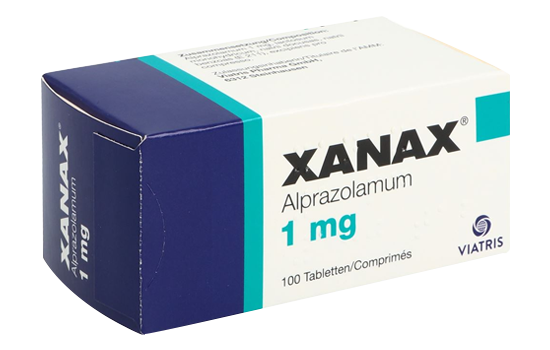
Alprazolam
£6.5 £0.89
Alprazolam is the active ingredient in many well-known branded medications like Xanax. It is one of the most commonly prescribed treatments for acute anxiety and panic disorders that are severe enough to cause significant distress or impairment.
It's often preferred by doctors due to its short duration of effect, which minimises the risk of any lingering residual effects. Its high potency means it acts quickly to provide fast-acting relief that can be felt almost immediately, making it a commonly prescribed option for managing anxiety symptoms or panic-related disorders.
As a member of the benzodiazepine family, alprazolam carries the potential for dependence, tolerance and withdrawal symptoms. For this reason, doctors will often only recommend the lowest effective dose for the shortest possible duration. It should be taken as part of an effective treatment plan that targets the cause of the symptoms.
Understanding Alprazolam
Alprazolam was originally developed by Upjohn Laboratories, now part of Pfizer, in the late 1960s as a sleep aid before its effects on anxiety, panic and mood disorders became clear. Alprazolam was patented in 1976, and FDA-approved for market release in 1981 as Xanax.
It decreases abnormal excitement in the brain by amplifying certain neurotransmitters that block neural signals and prevent overexcitement. Today, it is widely used to treat generalised anxiety disorders, anxiety due to depression, and panic disorders and help manage sudden episodes of extreme fear and worry.
Alprazolam provides quick symptomatic relief from the severe agitation of acute panic or anxiety attacks and may help patients manage symptoms of anxiety and panic attacks. It does not, however, treat or cure the underlying cause of anxiousness, seizures, or withdrawal.
Alprazolam Mechanism of Action
The medication works by increasing the amount of gamma-aminobutyric acid, or GABA, a chemical neurotransmitter that regulates the central nervous system. It inhibits excessive neural activity by reducing neural stimulation, lowering overall cerebral activity, and calming the central nervous system, which reduces agitation and calms anxiety.
Alprazolam enhances the effect of GABA at GABA-A receptor sites in the brain and spinal cord which are involved in regulating mood, mental stability, muscle relaxation, anticonvulsant activity, memory, breathing, and motor coordination. Slowing brain activity induces tranquillity and helps reduce symptoms of anxiety.
The rapid onset of effect of alprazolam means its fast-acting effects are typically felt within 15 to 30 minutes of ingestion. The effects can be felt for around 4 to 6 hours before the medication is slowly expelled from the body.
Benzodiazepines: What Are They?
Benzodiazepines are a group of drugs developed as an alternative to barbiturates. They were first made available in the middle of the 1950s as a less dangerous substitute for the highly addictive barbiturates. Since the 1970s, they have been effectively used to treat mental health conditions like severe anxiety, neurological conditions like epilepsy and seizures, and sleep disorders like insomnia.
They work by slowing central nervous system activity and reducing excessive neural signalling in the brain. These medications enhance the calming effects of the neurotransmitter GABA, which helps reduce anxiety and promote relaxation, which helps reduce anxiety and promote relaxation that augment the medication's anxiety-reducing effects.
In order to lower the chance of tolerance or reliance, short-term use is usually advised. Only when all other therapies have failed is long-term use recommended under careful monitoring and intensive medical supervision.
Clinical Uses of Alprazolam
Anxiety and Panic Disorders
For short-term management of acute anxiety episodes and panic attacks, Alprazolam 1 mg is commonly used. Its rapid onset of action provides fast relief from sudden episodes of intense fear, palpitations, and shortness of breath. It may be prescribed for patients experiencing panic attacks that interfere with daily functioning.
Seizure Management
In some cases, alprazolam may be used off-label to help manage epileptic seizures. Its capability to prevent muscle spasms and agitation may help manage seizures associated with alcohol or drug withdrawal.
Sleep Disorders
Alprazolam is not a sleeping pill, but it may sometimes be used off-label as a sleep aid due to its sedative effects. While it does have a relaxing, sedative effect on the body, it does not target the underlying cause of the sleep disorder.
Premenstrual Syndrome
Effectively reduces the severity of premenstrual mood symptoms such as nervousness, headaches, irritability, crying, anxiety, and depression after 3 to 6 months' treatment. Also relieves associated feelings of fatigue, confusion, cravings for sweets, abdominal bloating and cramps.
Depression
Anxiety-associated depression is responsive to alprazolam, which has a limited effectiveness of about 4 months for anxiety disorders. It provides short-term relief from some of the physical symptoms of depression such as abdominal bloating, abdominal cramps, and headaches.
Special Populations
This medication should not be used by children except under strict specialist guidance and hospital supervision, primarily for seizure emergencies. Older adults who are particularly vulnerable to exaggerated side effects and also more prone to falls and confusion, and those with slower drug clearances may need lower doses than alprazolam 2mg, or may require closer monitoring.
Duration and Safety
Alprazolam should only be taken at the lowest effective dose for the shortest amount of time, typically for a few weeks rather than months. Treatment should be part of a carefully planned, temporary plan in combination with therapy and other non-pharmacologic interventions for the best results.
While regularly taking this treatment for anything over 10 weeks is not ideal, when it does happen, alprazolam should never be stopped suddenly but always gradually reduced under a doctor's supervision to avoid experiencing serious symptoms of withdrawal.
Comparing Benzodiazepines
While benzodiazepines all share similar mechanisms, they differ in how quickly they act, how long they last, and their ideal application. Alprazolam has a quick onset of action and a duration of 4-6 hours. This makes it often used for providing rapid, short-term relief from sudden anxiety or panic attacks before the effects subside, but comes with a higher risk of dependency.
| Drug | Onset of Action | Duration | Common Uses | Notes |
|---|---|---|---|---|
| Alprazolam | 30 min | Short - 4-6 hrs | Anxiety disorders and panic attacks | Quick onset time providing short term relief |
| Lorazepam | 20-30 min | Medium - 6-8 hrs | Anxiety disorders, insomnia & pre-procedure sedation | Fast acting and long lasting |
| Diazepam | 30-60 min | Short - 4-6 hrs | Anxiety disorders, insomnia, seizures, muscle spasms & withdrawal | Medium to rapid onset with long lasting effects |
This comparison shows alprazolam's advantage for conditions needing fast-acting relief. Other medications may be preferred when a longer duration or extended sedation is important.
Dosage and Usage
Alprazolam should be taken exactly as prescribed, typically several times a day, due to the short-acting nature of its calming, sedative and relaxing effects that tend to wear off within 4-6 hours. Oral tablets should be swallowed whole without chewing or crushing and can be safely taken without food, but may cause an upset stomach.
Alprazolam 1mg and 2mg tablets are higher strengths than the normally recommended initial starting doses of 0.25mg to 0.5mg and are more appropriate for regular users. For the most consistent results in avoiding breakthrough anxiety, this medication should be taken at the same time each day.
Alprazolam 1mg can be taken up to 3 times per day, with a daily maximum of 4mg for up to 4 months. For the treatment of panic attacks, alprazolam 2mg can be taken from 2 to 4 times per day, with a daily maximum of 10mg for up to 10 weeks.
Understanding Alprazolam Side Effects
Following the recommended dosage and usage instructions is important in regards to minimizing the potential side effects. Some of the most common include drowsiness, fatigue, dizziness, poor balance, slowed reflexes, coordination issues, and memory impairment, all of which typically improve after the body adapts to the treatment.
On rare occasions benzodiazepines like alprazolam can block nerve impulses to cause breathing difficulties, slow heart rates, and cause general weakness. If experiencing any of these symptoms, or severe alprazolam side-effects, immediately advise your healthcare provider for evaluation. Doctors can evaluate the suitability of the treatment and recommend an alternative if necessary.
Precautions & Avoiding Dependence
Even the weakest benzodiazepines like alprazolam 1mg, can quickly become habit-forming, with the risk of addiction increasing sharply for those on daily doses of 4mg for longer than 12 weeks. Longer, more regular use can lead to building up a tolerance, which can quickly develop into dependence.
Using alprazolam with alcohol, opioids, cannabis, or other sedatives can lead to dangerous interactions and lower doses are recommended for older patients and for those with renal and hepatic impairment. Pregnant and breastfeeding women are also recommended to steer clear, due to the danger of passing to the infant.
Short-term treatment of intermittent use, at the lowest effective dose is the safest approach to using alprazolam. Gradually taper the daily dosage to minimise withdrawal side effects like anxiety, sweating, tremors, insomnia, and in extreme situations, seizures.
Cost of Alprazolam
The cost of alprazolam depends on the strength, amount and the supplier. Prices may vary depending on the pharmacy and prescription provider than their high street counterparts due to reduced overheads, coupons, and discounts that are available. They also have 24-hour support available to reassure customers who are unfamiliar with ordering their medication online.
Here are typical price ranges:
| Pack Size (Tablets) | Strength | Price Range (GBP) |
|---|---|---|
| 30 | 1mg | £39-44 |
| 60 | 1mg | £62-66 |
| 90 | 1mg | £89-94 |
| 30 | 2mg | £45-50 |
| 60 | 2mg | £69-74 |
| 90 | 2mg | £99-104 |
Other factors influencing the cost of treatment include options to purchase through private health insurance or government schemes. When alprazolam 2mg is recommended by a doctor, a generic version can be requested instead of the branded product, which can have a major impact on the cost and longevity of treatment.
Frequently Asked Questions
What is alprazolam?
Better known by the brand name Xanax, alprazolam 1mg is a short-acting medication from the benzodiazepine class, primarily used to treat panic attacks, anxiety disorders, and related conditions.
What side effects are common?
The most common alprazolam side effects are drowsiness and fatigue, slurred speech, lack of balance or coordination and potential cognitive difficulties.
What's the difference between alprazolam and Xanax?
None. Alprazolam is the active ingredient in Xanax. Generic equivalents of a medication become available after the patent protecting the original drug expires.
Is addiction possible?
Yes. The longer the duration of use, the higher the chance of developing physical and psychological dependence. Ideally, doctors prefer starting with a lower dose of alprazolam. By following the usage guidelines and reducing the dosage at the end of treatment, users of this drug can avoid potential addiction.
Can I get withdrawal symptoms and how to manage them?
Yes! Suddenly stopping treatment can trigger withdrawal, especially with higher doses like alprazolam 2mg. The risk of withdrawals increases along with the length of treatment and dosage strength. To avoid the risk of experiencing withdrawal, the alprazolam dosage should be gradually reduced at the end of treatment.
Medical Disclaimer
This information is provided for educational purposes only and does not replace professional medical advice. Always consult a qualified healthcare professional before using prescription medicines such as Alprazolam.